Featured

Henry Marrows

My interest in the man who built Cleethorpes Town Hall began when I moved to Healing and bought a house he had built. It set me searching for more about him.

Then several years ago five of his descendants came from across the country to pay a visit as part of the Lincolnshire Wolds Walking Festival where I was leading some walks about Henry around the village he was credited with developing.

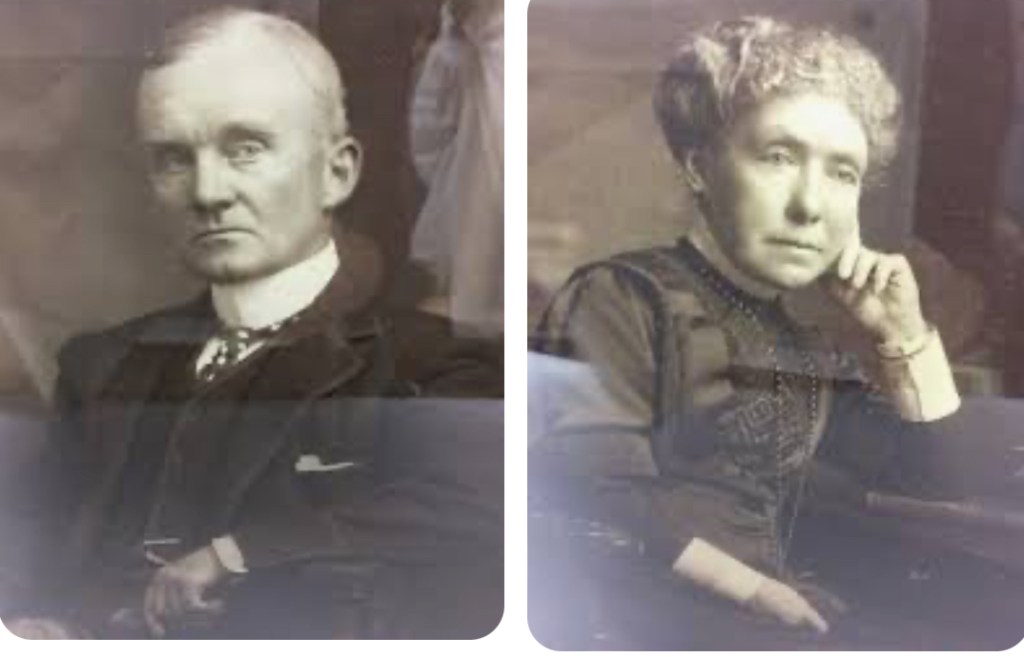
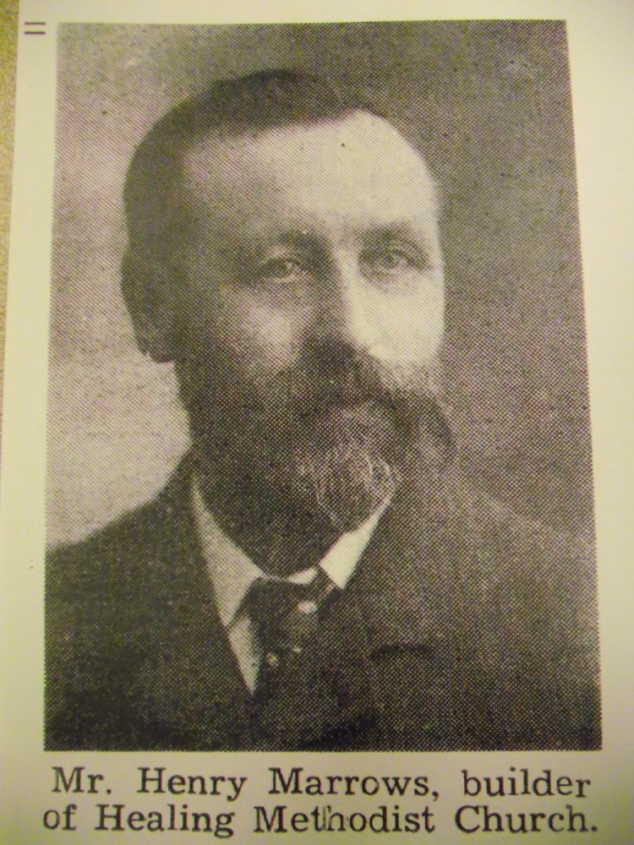
Henry Marrows was born in Market Rasen in 1856 and moved to Grimsby where he set up his building firm in Garden Street. He built many of the area’s schools, including Strand Street School with the playground on the roof as well as Cleethorpes Town Hall.

His great grandchildren David and Ben Fawcett, both of Louth; Mary Smith from Maidstone in Kent; Will Jones from Barnet in London, and Helen Jackson from Cambridgeshire enjoyed the history walk in Healing where he lived and shared many stories.

One his great granddaughters, Mary Smith said: “There were five of us today, we are nine cousins in total, all the descendants of the children of Grace, Henry’s daughter.

“We know all our parents would have been delighted to know that Henry Marrows’ buildings were still valued and considered to be lovely buildings as they were very proud of him and so that’s quite moving.”

Henry moved to Healing where he had bought land in 1895 and began building houses on Station Road and The Avenue, where in 1899 he built himself Briarfield, but renamed Hazeldene in the 1950s.

Henry had three daughters, Grace, Lucy and Norah and every house he built in the village, the daughters lived in and as their families grew, further houses were built.

He was a master builder and a joiner. Doors, windows, staircases were all carved on site. Briarfield’s foundations were left to sit for two years and tomatoes were allowed to grow in them, while he built Arden Court next door for the owner of the town’s newspaper, Louis Porri.

The Marrows’ family owned Briarfield until 1952 when on the death of Henry’s second wife it was sold to the late Major Clixby Fitzwilliams, who moved to the village to develop the watercress industry.  It was during work on the house that Henry’s grandson, Joe Johnson saved an intricately carved wooden plaque bearing the initials HM for Henry Marrows.

Helen Jackson, another great granddaughter, had brought the carving back to Healing for the weekend from Cambridgeshire. She said: “When great grandpa built Briarfield it had lovely features on it.

“He was a master builder and carpenter and he did a plaque to fit on the wall with his initials engraved in it. Sadly the plaque was removed and it’s been passed down through the family. The window where it was fixed on the wall is no longer there.”

This attention to detail was also seen on the spindles of the staircase, which according to Mary had been recreated from a piece of embroidery that his wife Jane had been working on.

Great grandson David Fawcett, from Louth, came on the walk with his brother Ben. They lived in one of Henry’s houses on The Avenue close to the Radcliffe Road junction and he had fond memories of growing up in the village.

“We were a close knit community. The house had an enormous garden and the building itself was well constructed. It was wonderful place to live,” added David.

Mary’s brother, William Jones who had travelled from Barnet, echoed that by saying because they had so many relatives, they were always in and out of people’s homes.

As well as houses in Healing, which one estate agent in 1909 described as “a rising garden village with an abundance of spring water and healthy air”, Henry built the County Hotel, Immingham, homes in Barcroft Street and many electricity sub stations.

His houses in Healing include a majority of the red brick houses on The Avenue from the Oak Road junction to Radcliffe Road junction, and the ones on Station Road from number 80 towards the railway station.

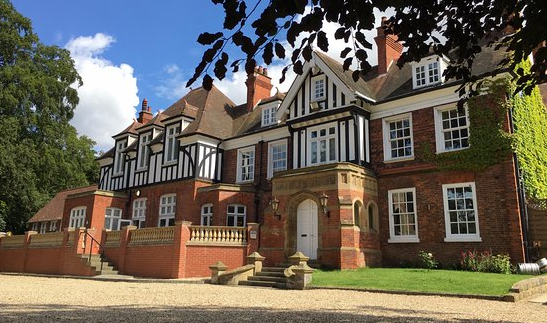
They are all distinctive of the Edwardian period, red bricks with black and white timber cladding known as the Queen Anne style with large windows. Slate roofs and details on the gables and woodwork for the more elaborate villas.

Bricks were brought in on the new railway network from Killingholme and the woodwork was crafted on site. Attention to detail was paid in the bricks around busy areas, like doorways, are rounded so you don’t catch yourself on sharp corners.

The houses on Station Road include some cottage style houses in blocks of four, to semi-detached villas. Each has a front garden, a new thing for the Edwardians giving an extra layer of privacy from the road.

“He built so many beautiful buildings in the area, but in Healing the village we see is because of what he did and sadly none of the buildings are protected.”

Emma Lingard, Tour Guide

Henry was a prolific builder across the northern part of Lincolnshire. He had a keen interest in gardening outside of his business and was a member of Grimsby Rural District Council, as it was then.

Healing is his monument, and one we can enjoy. Without it being a conservation area one can only hope that his buildings are admired and looked after by those who choose to call them home.
Featured

Grimsby Streets

Grimsby steeped in Scandinavian history. Our language is filled with words that our Danish forebears would recognise.

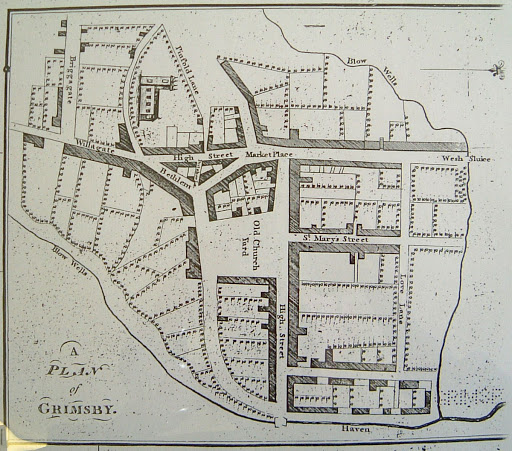
Take the suffix -gate on streets DeansGATE, WellowGATE, BrighowGATE, CarterGATE and the lost streets of FlotterGATE, and BaxterGATE. The suffix -Gate comes from the Scandinavian GATA and can also be traced to Anglo Saxon GEATA.

It means a cut through, a street. Aside from the church (Grimsby Minster), those names are ancient and still follow the original routes. You are treading in the footsteps of the ancestors.

Gate can be seen in many settlements under Danelaw – York, Hull and Lincoln all have streets with the gate suffix.

Buildings may have come and gone, but those streets remain the same, albeit with a few minor changes. You can learn much from those street patterns and the names.

Deansgate, on earlier maps is spelt Denesgate, the street of the Danes, or is it a play on words being close to the church and a Dean being a member of the clergy.

Three lost areas of the town are Ryngstake Thing, Kageler Thing and Mustlow Thing. A thing was an old Norse word for a meeting – particularly a place of government at a local level.

Next time you walk through town, imagine who has walked those streets before you. You can learn more about the town’s streets on my next guided walk on 14 April 2024.

You can learn more about streets in my book Grimsby Streets or on this website Great Grimsby :: Survey of English Place-Names (nottingham.ac.uk)

The Richardsons

‘A Victorian racehorse trainer and a Countess’

This is the story of true love, one that bubbled under for years. It’s the story of how an Earl’s ‘hound expert’ came to meet his one love.

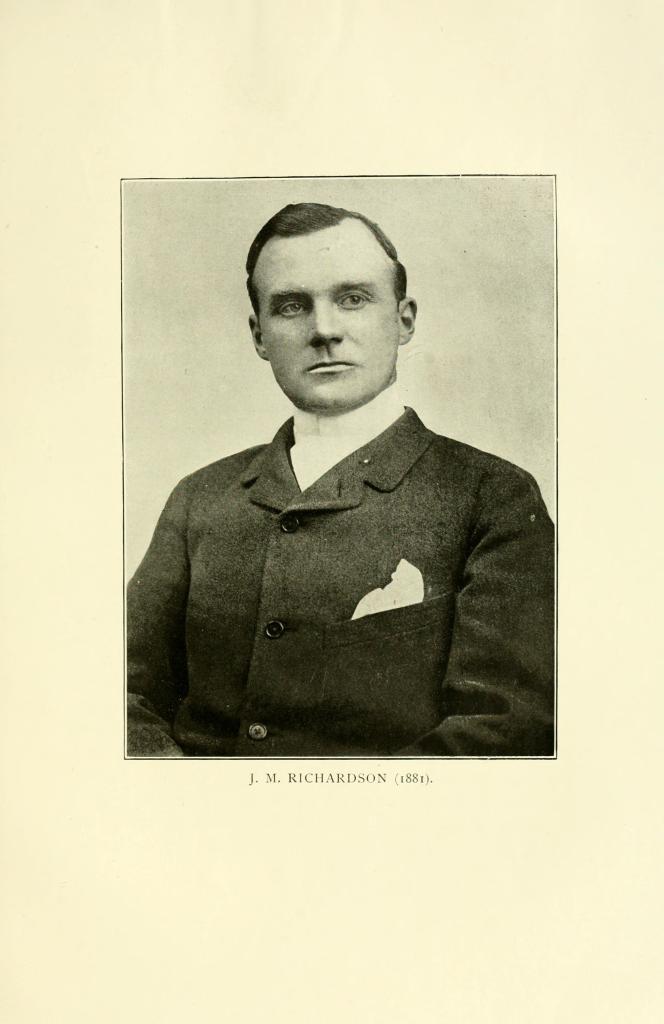
John Maunsell Richardson, referred to as Maunsell (pronounced Mansell) by friends and family, was born at Great Limber in 1847 in the house called Top House or known locally as the Big House (Great Limber House).  It was at one time an inn – Limber Inn. It no longer stands.

He came from a well known local family with connections to Limber and Immingham.

He was educated at Harrow and Magdalene College, Cambridge, where he excelled at cricket. From an early age he rode and when at home he hunted with the Brocklesby and developed a close friendship with the Earl of Yarborough.

Maunsell began to train and ride horses, which were stabled at Limber not far from the family home and became one of the great Victorian racehorse trainers. In 1872 he had 56 winners. Local man, Captain Machall, gave him horses to train and ride. In 1873 he rode Machall’s Disturbance to victory in the Grand National and he won the following year on Reugny.

When Richardson’s brother married and took over the family home, the Earl of Yarborough had Little Brocklesby built near to the stables, so he would not lose such a great horseman.

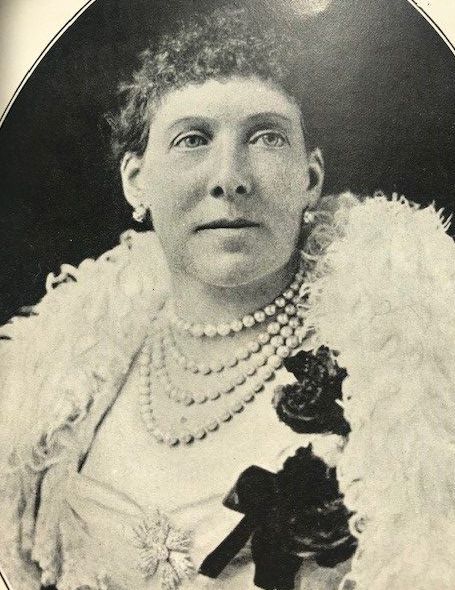
The Earl’s wife, Victoria, was the daughter of William Hare, 2nd Earl of Listowel and Maria Augusta Windham, Countess of Listowel, who was the daughter of Vice-Admiral William Lukin Windham, who’d earnt great honours in the Napoleonic wars. Victoria’s father was an Anglo-Irish peer and he’d been an MP in Ireland and the MP of St Albans.

He was a Lord-in-waiting to HM Queen Victoria. Through that connection, Victoria was a god-daughter of the Queen – and of course she was named after her. Her godmother presented her with a gold pendant encrusted with pearls and diamonds and featuring a garnet in the centre. On the back the inscription To Lady Victoria Hare from her godmother, Victoria R 1858.

She married Charles Anderson-Pelham, 3rd Earl of Yarborough on 3 August 1858 in St George, Hanover Square, London. He inherited the titles from his father in 1862. They had five children, Charles Alfred Worsley Pelham (the 4th Earl), Victor Ralph, Henry, Dudley, and Gertrude Augusta Pelham (she married Sir Frank Astley 4th Bt, Elsham Hall).

When the 3rd Earl died in 1875, Maunsell helped the Countess run the hound pack and became Master of the Brocklesby Hounds. A love match developed and on 16 July 1881 the couple were married at St George, Hanover Square, London, and they lived at Brocklesby Park until 1886 when the 4th Earl married Marcia Lane-Fox.

“Love, they say, makes a pleasure of all toil for the beloved, and my brother Maunsell’s reward came when in 1881, the present Lord Yarborough came of age, and Lady Yarborough felt free to marry the man of her choice.

For seven years he’d waited patiently, and I am very sure that had his divinity elected to marry some one else, he would have remained a bachelor to the end of his days.”

The Life of a Great Sportsman, Mary Richardson

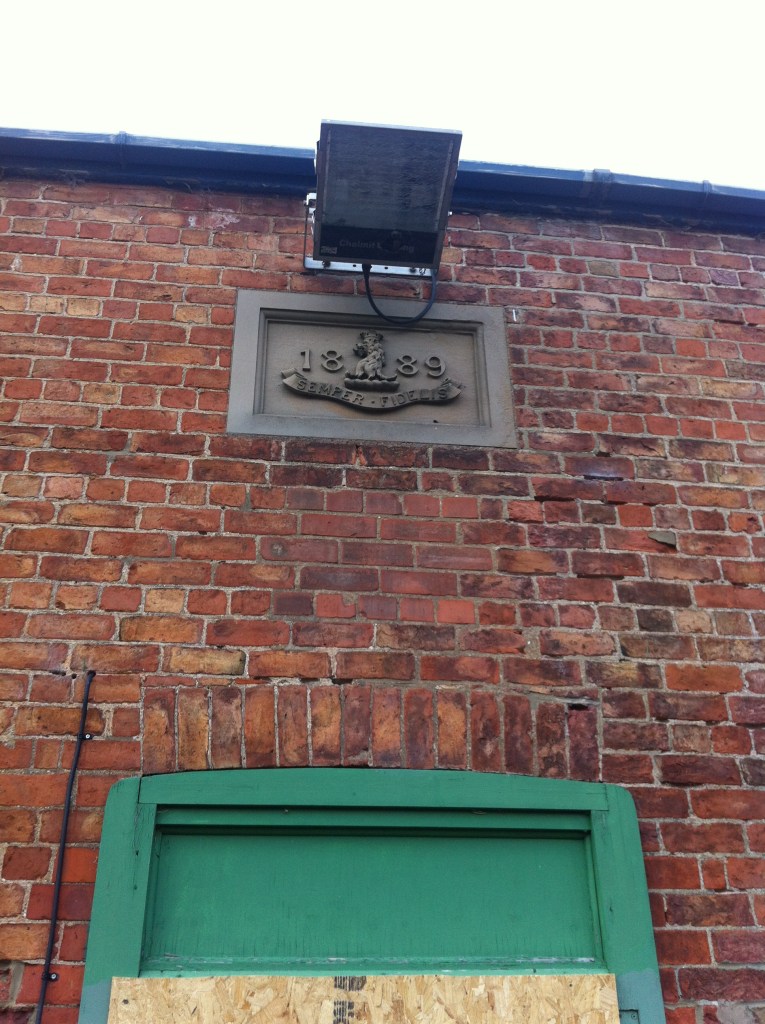
The couple moved into Healing Manor in 1887 and began improving the house and stables. The Richardson Crest can be seen on the stable block and the cottages on the main road. Maunsell stood for Parliament as MP for Brigg in 1894.

In 1890 the couple purchased 171 acres of land in the area and by 1892 had purchased the rest of the estate from the mortgagers, including Healing House.

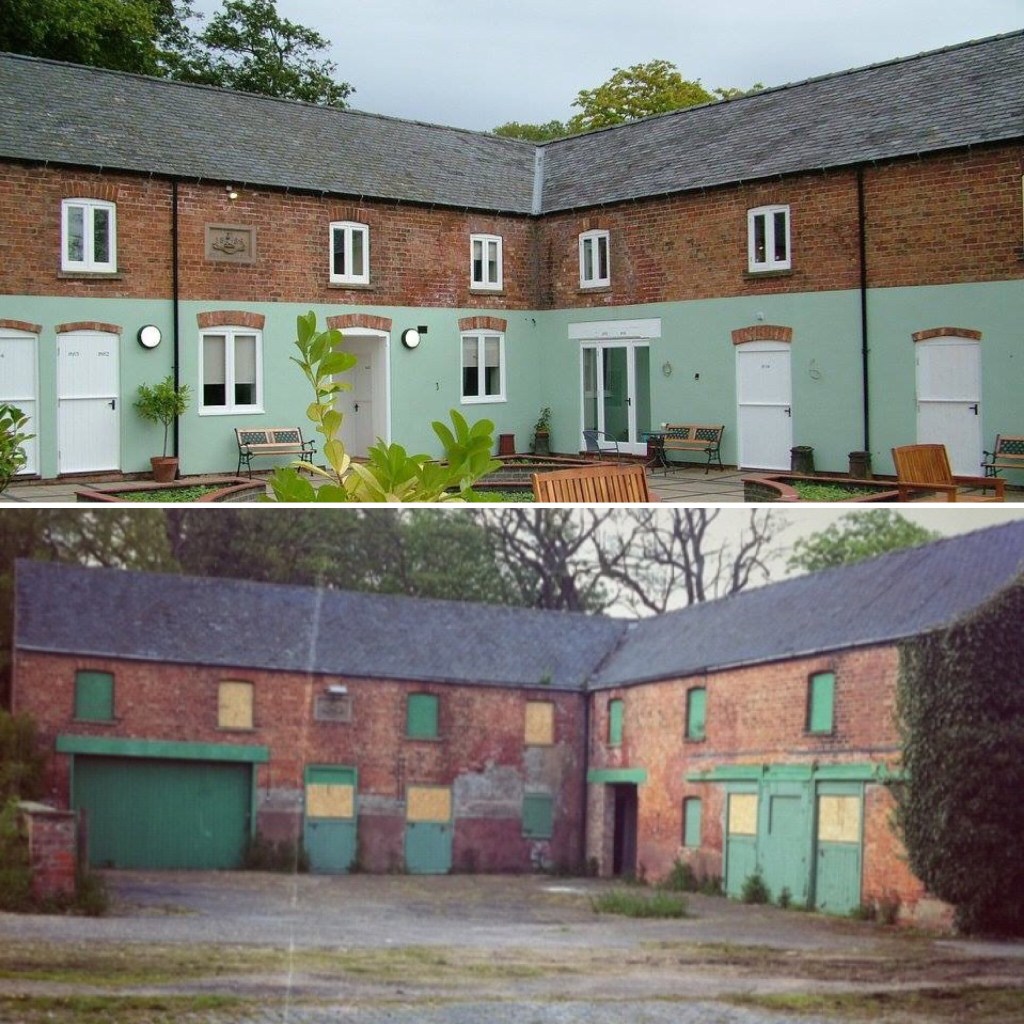
The stable block built by Richardson is a fine example of Victorian love for horses. Outbuildings include an impressive stable block complete with groom’s quarters. In the rear are a barn, a blacksmith’s forge, electricity generating station and rooms for the gardeners, estate joiner and a garage for the cars.

They sold the Manor for personal reasons in 1902 to Captain Gerald Portman for £18,000 – today that is £1,971,104.56. This included Healing Manor, Healing House, cottages, farmhouse and stockyard (this is on the right as you go up Wells Road from the village) and 268 acres.

Famed horsewoman

His wife Victoria was a fine, competent horsewoman, who hunted regularly with the Brocklesby. She came to Brocklesby Hall in 1859 as an 18 year old newly wed. According to Mary Richardson, her future sister in law, no Pelham ladies rode to hounds, in fact hardly any ladies hunted.

She rode to hounds side saddle and was a sight to behold. As Lady Worsley she rode out and acquired many admirers.

Large, clear and blue, as only Irish eyes can be, her manner had the peculiar fascination that only a thoroughly kindly heart and buoyant temperament can give.

Then again, who would fail to admire the perfect little figure, showing to such advantage on horseback?

The Life of a Great Sportsman, Mary Richardson

She attended every meet she possibly could and turned proceedings into a pleasurable event. She had courage and judgment in the field with a charming manner.

A year before they married, Maunsell gave Victoria a beautiful bay gelding called Birthday, who was a very fine jumper and ‘an all-round perfect lady’s horse.’

Richardson’s death

Sadly her second husband Maunsell died in January 1912. He is buried in Edmondthorpe, Rutland but a memorial stone and the lynch gate were dedicated to him at the church in Great Limber and they can still be seen today.

Lady Yarborough had been the one love of his life, and their relationship had a depth and happy constancy to it that was felt by friends and family. They had shared interests and were never far apart. The couple had one child together, John, known as Jack.

She received many kindly letters following her husband’s death.

I do feel for you so. You loved each other so, and 30 years of such love is so rare – I cannot bear to think of your life without him.

Mourner

Service

Victoria’s connection and duty to this area was strong and she carried out many public duties. One of them was the laying of the foundation stone for St Barnabas Church, King Edward Street – now home to Docks Beers.

Interestingly the builder was Henry Marrows, who built many fine buildings in the area and was famed for developing Edwardian Healing.

Thursday, February 22, 1900 was an overcast day with the threat of rain ever-present – but that didn’t dampen the spirits of the large crowds gathered in King Edward Street, Grimsby. They had turned out for the laying of the foundation stone for the new St Barnabas Church at the corner of Fotherby Street, in St James’s parish. Victoria, Countess of Yarborough (the dowager Countess) had the honour of laying the foundation stone. She was accompanied by her husband, Mr J Maunsell Richardson of Healing Manor.

Newspaper report

Death

In 1925 Victoria was living at Wing Lodge, Aylesbury, a modern French style house of white brick with dark brick gables. It has ben home to the Earls of Orkney. It was pulled down in 1985.

Her and Maunsell had a house in Norfolk called The Corner House, in Overstrand a cottage with a villa appearance. On his death she sold it.

She died in 1927. She was survived by her children.

Healing Manor

A fine example of a gentleman’s country house

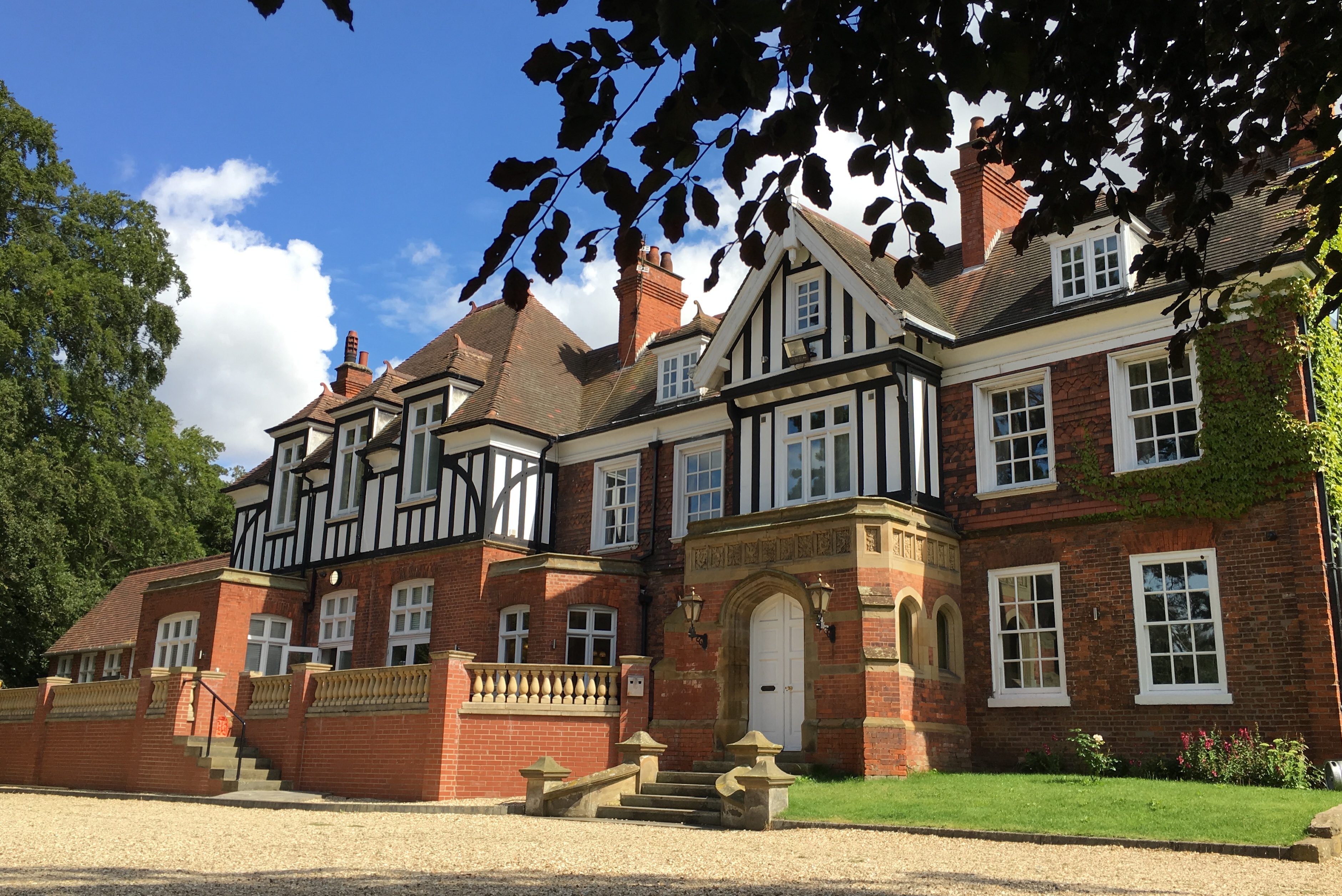
HEALING Manor has had a colourful history and is a fine example of an English country house.

The site dates back to Saxon times and possibly pre-dates that. It is mentioned in the Domesday Book – Healing or Heglinghe (the farmstead of Haegal) had two manors belonging to Earl Sigar and Morcar.

Part of the manorial building is said to date back to the 1360s and during building in the 21st century, archaeologists discovered the medieval garden to the left of the main porch.

In terms of its ownership the family cited for having developed the Manor were the Mussendens, who lived there from the 1300s to the 1600s. A family featuring in Grimsby’s history for the trouble they caused from time to time.

There is an excellent description of the first Healing Manor in the will of Francis Mussenden who died in 1612.

“Surrounding the house were two farmyards with stables for horses, oxen and calves. There was also a workshop with a storeroom containing timber for carts and ploughs. And a storeroom over the stables. The manor was approached via a gatehouse with a granary. A dairy and a brewhouse. The ground floor of the house contained a galleried hall with an armoury. The house had a great and a small dining room and a large kitchen with two pantries. The ground floor also contained a dry and wet larder and a drying room, a buttery, another brewhouse and two cellars, one of which was a wine cellar. The bedrooms are described in detail – a yellow chamber with two beds, a best chamber, a minor bedroom, and the mistresses bedroom. There is also a guest room, farmworkers dormitory, a maid bedroom, a bedroom for Mr Morison and Mr Synolds (Stewards). The male servants had four beds, farm servants had three beds and a high garret three storeys high.”

The house sounds very impressive and would have been a reflection of Mussenden’s wealth and importance in the area as Lord of the Manor.

The house that stands today underwent significant transformation under Maunsell Richardson in the 1880s. He married the Dowager Countess of Yarborough and they lived there before moving to Rutland in 1902. He wanted a house fit for a lady of her standing.

Richardson is best remembered for being a successful racehorse trainer in the Victorian age and had a training establishment in Great Limber at Little Brocklesby – now a care home. As well as extending the Manor, he rebuilt the stable block and his coat of arms (left) can be seen adorning the front of it and on the two cottages standing on Stallingborough Road.

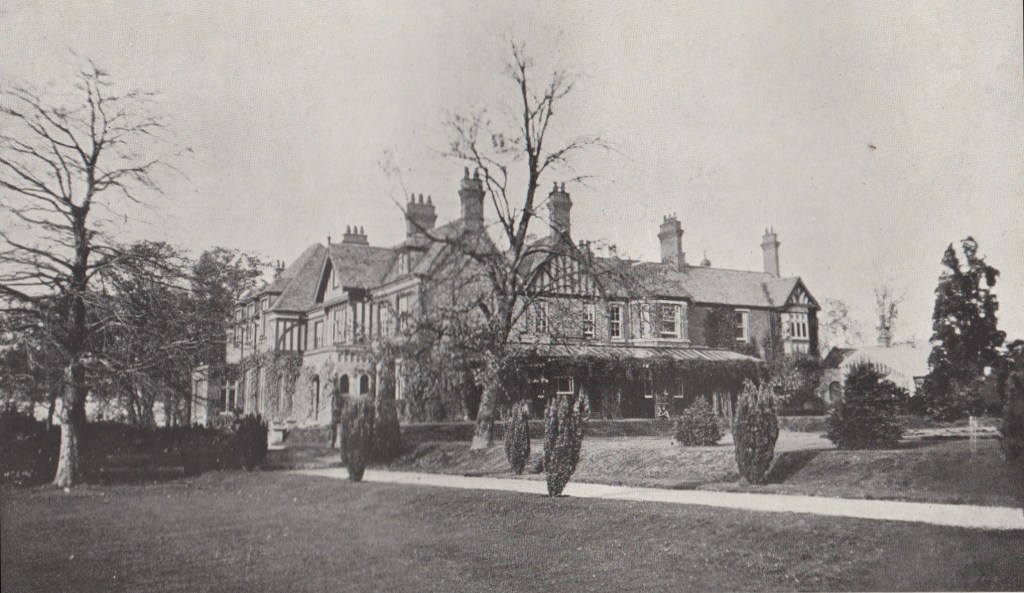
The house he transformed is in the style of Queen Anne – Arts and Crafts with half timbering and tile hanging. The oldest part of the current building dates to the early 18th century and faces south-west. It is thought to have been expanded in the late 18th to early 19th century with the addition of a rear extension under a roof, which is parallel to the original.

Between the 1888 and 1908 Ordnance Survey maps, the house was expanded again with the addition of a two storey cross wing to the north-west side of the original house and to the left of the original frontage.

Other alterations were made with the addition of a number of canted bay windows as well as a large porch. These additions are also in the Arts and Crafts style and much of the interior fittings appear to date to this remodelling.

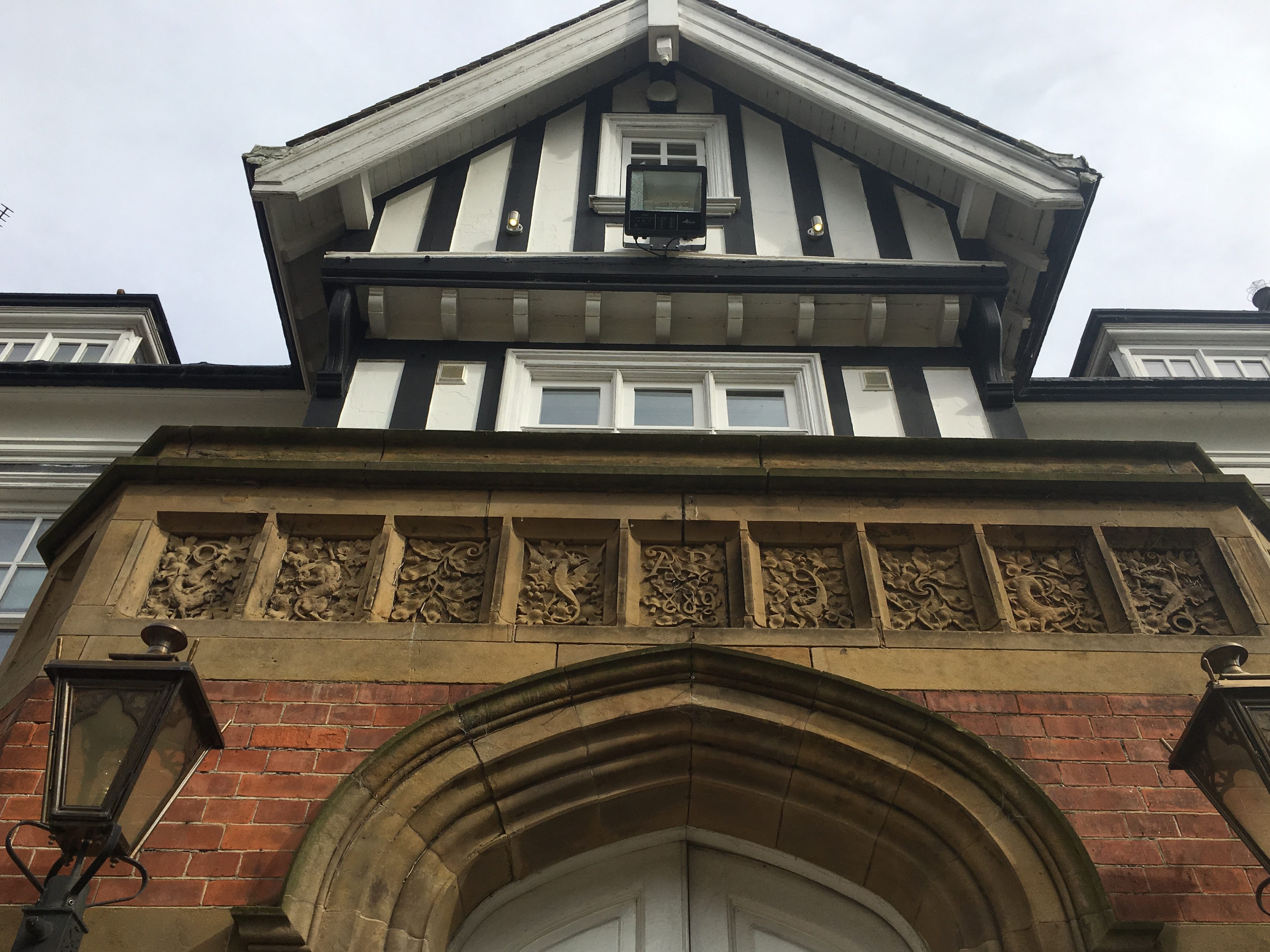
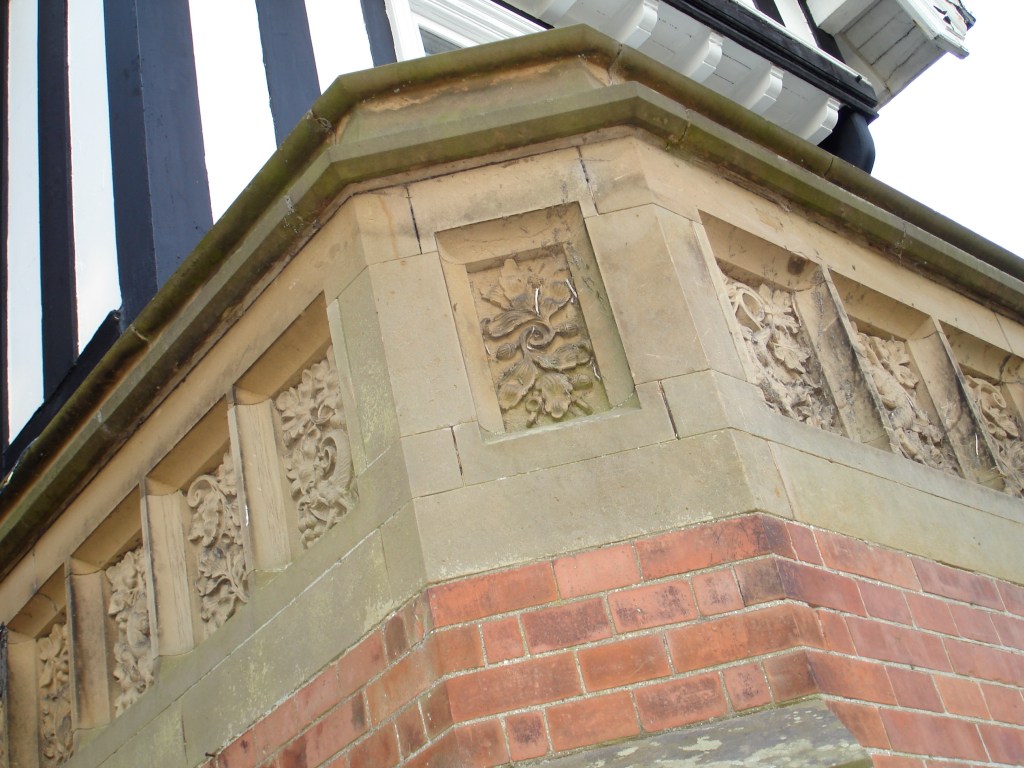
The porch (above) is richly decorated with leaves and strange creatures. It’s a wonderful example of an English country residence. Inside there are some beautiful panels and ornate ceilings with grand fireplaces. The windows are also shuttered, dating to the Georgian period and the 18th Century house.

Richardson sold the manor to a Gerald Portman in the early 1900s. During his residence, the upstairs rooms were named according to their colour or their wallpaper style. The master bedroom was the blue room and there was a yellow room and a butterfly room.

On entering the house through the porch you came into the hallway with the grand staircase. The room on the right was the drawing room, where the ladies would retire after dinner. The wall was removed when his daughter Penelope inherited the house.

On the left was a room, which became Lady Portman’s boudoir – her place for entertaining her friends. Around the corner and down the corridor, you came to a large room, which was the billiard room, where the gentleman would play billiards, smoke and drink. The billiard table from here went to Normanby Hall on Lady Portman’s death. The ornate ceiling in here was one to be admired. There was also a gunroom off this corridor and Lord Portman’s office – this is where the ladies bathroom is now located.

The dining room was sited the other side of the garden door corridor. On the northern side you had the kitchen quarters. There were various rooms for the preparation of food; the kitchen where the cook and kitchen maid would have worked, pantries, butler’s room and housekeeper’s office.

In the rear yard was a well and a meat safe where the game was stored as well as large sides of beef. The cellar stored many fine bottles of wine. At one time three gardeners looked after the garden, the home garden (which was the walled kitchen garden) and the three glasshouses.

Outbuildings including the impressive stable block complete with groom’s quarters which was started by previous owner, Rev Cecil Legard and completed by Richardson. In the rear was a barn, dating to the 1700s, a blacksmith’s forge, electricity generating station and rooms for the gardeners, estate joiner and a garage for the cars.

The man responsible for the day to day running of the Estate was the estate agent and on Lord Portman’s death this was a Mr Johnson. Healing 3106 was the phone number for the manor.

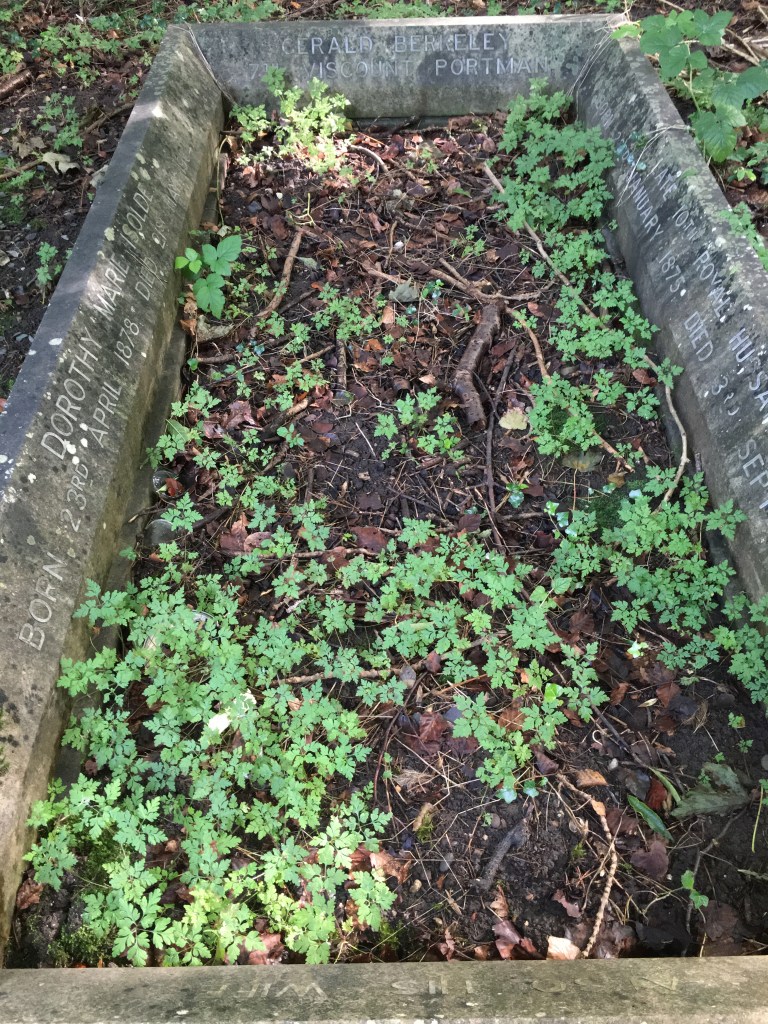
Gerald Berkeley Portman, who became the 7th Viscount while here in Lincolnshire, married Dorothy Sheffield, of Normanby Hall, on July 16th 1902. It was to remain in their family until the 1980s when their daughter Penelope died and the house went on the market.

Portman was a community spirited man. In died in 1948 and is buried in the adjoining churchyard with his wife. A memorial tablet to them can be found inside the church.

The house is surrounded by acres of parkland, planted with a variety of trees. On the island, which is a scheduled ancient monument, is an American Redwood. The trees in the parkland are old consisting of Oak, Horse Chestnut, Fir and in the garden is a Walnut .

Surrounding the house are embankments and a moat. In the middle of an ornamental lake is an island. It is said this island is where the original mud and stud house probably was sited and it was moved further up the site to protect it when it flooded. The ornamental ponds were created by Richardson out of the moat which ran around the site – it was more of a protection against flood waters for the area is low lying and surrounded by springs. The site within the lines of the moat is a Scheduled Ancient Monument.

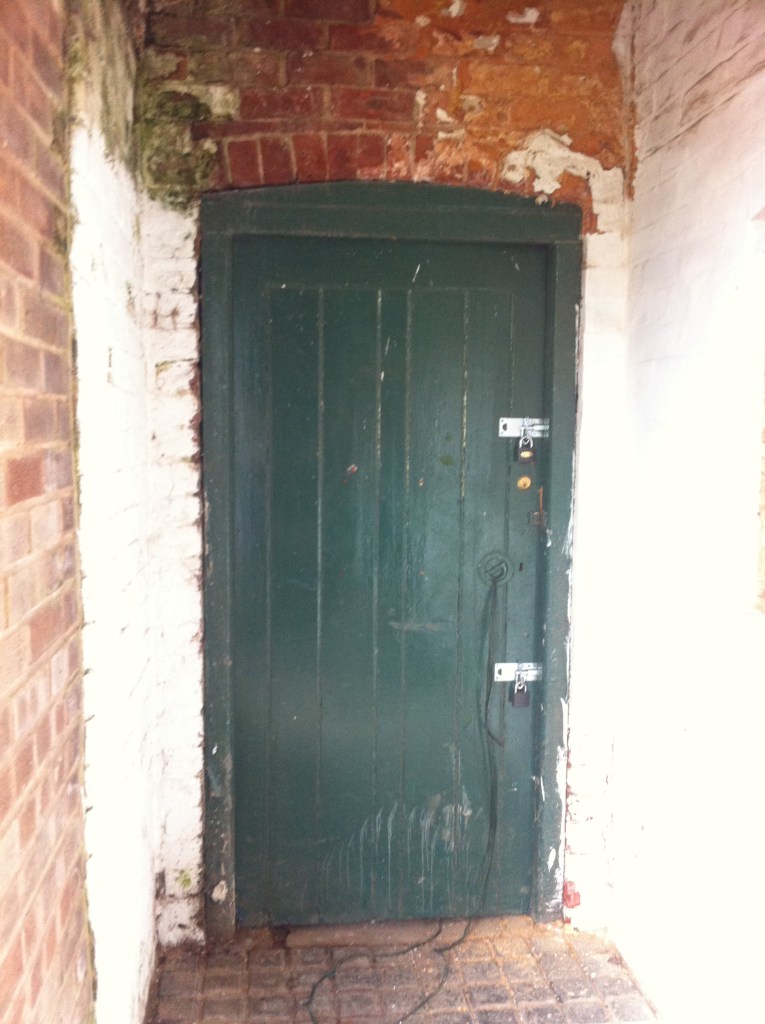
Within part of the moat is a 2nd World War shelter. There is another at the back of the cellar too. During this war the Portman family moved out of the Manor into 20 Fords Avenue and the Army moved in to the Manor.

It is not large compared to many manors, but is comfortable and elegant and was well loved by pipe smoker Viscount Portman, whose ghost has been seen by some and heard by others and on occasions pipe smoke can be smelt.

Next time you visit the Manor, which is now a hotel, pause and think about the history that surrounds you and the stories that the walls tell.

The L Files

Introducing a new podcast! The L Files presented by local historian and author, Emma Lingard, accompanied by history academic, Carla Linford.

New episodes out each fortnight. Starting Wednesday 4th June – listen to the trailer here

Emma and Carla join forces to discuss and debate a variety of topics on local history from across Lincolnshire – its people, architecture, myth and legend.

The L stands for local, Lincolnshire, whatever you feel resonates. For us it’s local history and all that it stands for.

In the first episode find out more about Carla and Emma’s love for history, and what their history journey has been and where it has taken them.

Find The L Files on Spotify.

Havelok the Dane

Ancient legend

In Charles Whistler’s book, Havelok the Dane, Grim was a merchant who had been trading with England. He frequently visited Saltfleet, which was a prosperous port, and Tetney. He lived on the west coast of Denmark where the king was Gunnar Kirkeban. Grim’s Jarl was a man called Sigurd, who was a counsellor to Gunnar.

Well loved by Jarl Sigurd was Grim, who had been his faithful follower, and was the best seaman in all the town. He was also the most skilful fisher on our coasts, being by birth a well-to-do-freemen enough, and having boats of his own.

Havelok The Dane, Charles Whistler

Grim had a wife called Leva, three sons (Raven, Withelm and Radbard) and two daughters called Gunnhild and Solva. One day, Hodulf arrives in Denmark with an army and slays King Gunnar in his hall and takes Havelok hostage.

Grim is given a heavy sack by Hodulf and told to tie an anchor to it and sink it at night, and then to come and claim his reward. He doesn’t, but instead opens the sack and sees a young boy inside, who turns out to be Havelok.

He is as I thought – he is Havelok, the son of Gunnar, our king. Hodulf gave him to me that I might drown him.

Grim, Havelok the Dane

Knowing at that point, all their lives are in danger, Grim gathers his family and along with a retinue of men, they flee and head to England and Lindsey where the merchant Grim has friends.

Grimsby

On heading northward up the Humber the book gives us a wonderful description of the first sighting of the settlement.

The tide fell, across the spits of sand that ran between the mudbanks, and we climbed the low sandhill range that hid the land from us…the level country between us and the hills was fat, green meadow and marsh, on which were many cattle and sheep feeding.

Here and there were groves of great trees…and on other patches of rising ground were the huts of herdsman, and across the wide meadows glittered and flashed streams and meres.

The beginning of Grimsby, Havelok the Dane

The east coast was a swathe of marshlands that stretched from East Yorkshire down to Skegness. Islands of sandhills reclaimed from the marshland appeared out of the water. The islands are what the Saxons call ig/eg pronounced ee – and found in such forms as ey, ea, ay, e. The Anglo-Saxons had settled in Britain in the fifth to seventh centuries.

The place he had arrived at had no name it seems. Grim settles and builds a home for his family here after being invited to by Witlaf the thane from Stallingborough.

“Now, we must call the place by a name, for it has none. Grim’s Stead maybe?”

“Call this place a town at once…Grimsby has a good sound to a homeless man.”

Havelok the Dane

He settled and became a prosperous fisherman, selling his wares at the market in Stallingborough.

Bluestones

The bluestones were set by Grim on four boundaries of his land. It was unlucky to move a boundary stone.

From historic books on the town we know one boundary stone was down Wellowgate. These blue stones were glacial erratics deposited after the melting of the glaciers.

Death of Grim

After a famine caused by a lack of rain, Grim dies in the book. He’d been unwell but on his death a thunderstorm arrives and the rain arrives.

His wife Leva died the night after. They were buried together under a mound on the highest sandhill and on top of it the family lit a fire.

We set his weapons with him, and laid him in the boat that was his best – and a Saxon gave that – and in it his oars and mast and sail, and so covered him therein. And so he waits for the end of all things that are now, and the beginning of those better ones that shall be.

Havelok the Dane

Burial

So where was Grim buried? A question I often get asked on my walk around Grimsby. Where was the highest sandhill?

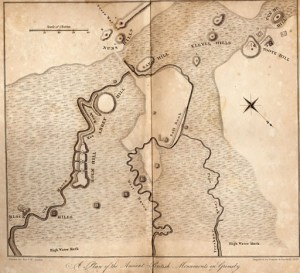
This map shows the sandhills – Abbey Hill was where Wellow Abbey would be built, Sand Hill is in the area of present day Cambridge Road. St Mary’s Church which stood in the centre of town was built by the Saxons and was in a prominent position, being a beacon for sailors coming up the Haven.

Holm Hill, where St Mary’s Catholic Church stands, was said to be prominent out of them all – so is this where Grim and his wife were laid to rest? To have accessed it they would have had to have gone through the marshes.

The people who lived in the settlement when Grim arrived were Welshmen – Celts or Ancient Britons who had converted to Christianity. The Saxons were still pagans and they went to the temple of Thors-way (Thoresway). Though in reality, St Mary’s was built by the Saxons.

In the book, after Grim’s death it continues with Havelok’s story and how he went to Lincoln and met Goldberga. He calls himself Havelok Grimsson (son of Grim) of Grimsby.

Grim Falfest

In August 2022 we welcomed the news that there was to be a celebration of our Viking heritage and Scandinavian connections.

It’s a great opportunity to learn more about our heritage, culture and language. Grim is returning. This new event ran from Friday 23 September to Sunday 26 September in Grimsby. It ran in 2023 but after lottery heritage funding ran out, has not been sustainable to carry on.

In order for it to continue it needs support and sponsorship from the business community and some elements of the event need to be paid tickets to ensure its survival, and along with the selling of merchandise it could help sustain the main event.

Star of stage and screen

Grimsby saw a star of the stage and screen shine bright in the 20th Century. She even starred in Hitchcock’s films.

Violet Farebrother
 Violet Sutcliffe Farebrother was born in the town on 22 August 1888. Her father Ernest was the town’s architect and surveyor, and Farebrother Street is named after him.

She had two brothers.   Ernest died in 1891, and Violet, then aged three, was brought up by her Uncle Tom Sutcliffe, who was MP for the town and involved in shipping. He was the brother of her mother Kate, who died in 1942.

The Sutcliffe family lived at Stallingborough Manor, a house which no longer stands. Sutcliffe Avenue in Grimsby is named after him.   Up until her father’s death she had grown up in Corby House on Wellowgate – designed and built by her father. The house still stands today on the corner of Wellowgate and Abbey Road.  

At the age of 18 she was living in London working as an actress. She made her stage debut at the Duke of York Theatre, London in 1907.  Violet was a successful actress in silent movies and then notably appeared in three of Alfred Hitchcock’s movies.  

Violet also appeared three times on stage at the Prince of Wales Theatre, Grimsby (the theatre her father designed). In 1951 she was Patron of Grimsby’s Caxton Players.   Between 1911 and 1945 she appeared in 25 films. She played in several West End roles before she retired in 1965. She died in Eastbourne in 1969, aged 81.

You can learn more about the Farebrother family on my Discovering Abbey Road guided tour.
This article was first published as part of the Grimbarians project.

Lived for the day

My motto has always been ‘today’ and perhaps it is a very good thing for me

Bert Wood

Grimsby’s World War One fighter ace Bert ‘Chips’ Wood lived for the day. He joined the Royal Flying Corps in 1916 and had 13 confirmed aerial victories. Unheard of when the average life expectancy of an RFC pilot was 11 days. He was tragically killed in a flying accident near London in 1917.  

His story begins in Grimsby in 1898. His father Walter was a magistrate, and the family lived at Ernecroft on Abbey Road. Bert’s brother Ted was also killed during the War, and the two were the focus of a book called ‘Two Soldier Brothers’ published in 1919.  

Bert was a pupil at St James’ School and was the first boy scout to be registered in the town. He went on to form a scout group called Hound’s Patrol with three of his friends. When Baden Powell, the founder of the scout movement, came to visit Grimsby in 1911 Bert was introduced to him as Leader of the 3rds – the Scout group set up at his school.  

Bert’s flying career saw him awarded the Military Cross and Bar for his gallantry and devotion. In 12 weeks, he accounted for 36 German planes, some outright ‘kills’. In a letter home he recalled tangling with Richtofen, the famous German Red Baron.   He was killed in a flying accident in November 1917 in England. He was flying his Sopwith Camel to practice dogfighting tactics with another pilot when he suddenly slumped forward in the cockpit and his plane nosedived into the ground killing him. He was recovering from a bout of the Spanish Flu and it’s believed he may have fainted.  

Throughout his flying career, he had carried a lucky mascot – the Lincoln Imp – on the day he was killed the mascot was still in his plane in France.   His body was returned to Grimsby on a gun carriage, and he was buried with full military honours in Scartho Road Cemetery.

In one of his last letters home, he summed up his philosophy on life: “My motto has always been ‘today’ and perhaps it is a very good thing for me. You know, Dad, when I was out in France, I got to look at things in such a light that it was impossible to make any future arrangements, and so I lived for the day, as I do now.  

“It stopped me from being a coward anyhow, and if a fellow can prove to himself that he is not a coward and is not afraid to meet the shadow we call Death nor the challenges faced in this great game of life, well, it makes up for thousands of failings”.  

You can learn more about Bert on my Discovering Abbey Road guided tour.
This article was first published as part of the Grimbarians project.

The ghosts of Healing Manor

You either believe or you don’t when it comes to the spirit world. Which camp you are in depends on your experiences.

On Sunday 30 October 2016 I led the first ghost tour around Healing Manor. The former private house has a number of ghosts swanning around its rooms. Owners over the years have all felt, seen or heard their presence.

This Halloween I gave a talk at Vittles Grimsby on the subject of the town’s ghosts. I mentioned Healing Manor and some of the incidents that have happened, which I will share some of them here.

Many on first entering the house (now a hotel) from the main door have felt a heavy energy. Those who are sensitive to these things, talk about it being male and liking it. It’s heavy and it lingers. This is said to be the spirit of a man who lived in the house until his death in the 1980s.

He has also been seen staring out the middle bedroom window – the room he was confined to due to his physical ailments. It’s also in this room that kettles have switched on and off when not plugged in; items have been moved or thrown by an unseen force.

Another former owner has been walking down the main stair case and heading outside through what was the garden room (now the Portman Restaurant). The lingering smell of pipe smoke is said to be him too.

A visit to the house by a medium picked up on some of the secrets: an affair and a strained marriage with a lot of anger and hatred.

The barn, which was once a barn adjoined by the blacksmith’s forge and the gardener’s quarters has also been the scene of noises. Doors banging, footsteps heard and doors being locked when the keyholder had not locked them. Who is this ghost?

What have you experienced? Are you a believer? If you have any stories of ghostly goings-on in Grimsby’s buildings please let me know.

Festival of the Sea – Grimsby

We haven’t had many special festivals in Grimsby – none that I can recall, unless you include some of the events that have been held in People’s Park or the Fish Docks Open Day.

This weekend (Saturday 17 July) we can all look forward to celebrating the town and its connection with the sea. The Festival of the Sea is new and is intended to look at our long relationship with the water, through trade, invaders, fishing, heritage, song and legend. It’s also a future look, let’s not forget how in this age we have a strong connection still.

I am leading two walks on Saturday, both of which are fully booked. It’s a new walk that I produced last year during lockdown, in anticipation of being allowed out. Knowing, too, how much people have an affinity for the past, especially fishing.

Without giving too much away – I at least do want you to sign up for a future walk! – the tour focuses on the original Haven and the docks built as part of the early development of the town in the 1850s.

Grimsby was not just fishing – commercial fishing on the scale which gave the town its ‘Premier fishing port in the world’ title, did not start until after the First World War. The town was trading with Scandinavia in furs, oils and timber.

Fishing was not really thought of. They did fish, and fishermen could obtain a license for a strip of the water along the river. The real fisherfolk were in Cleethorpes, launching their boats from the beach.

The town was about trade and commerce with overseas nations. Trade with Norway stretched back to the Danish invaders. People came and settled in the town adding to our rich heritage and language. Much as it does today.

So as oil, grain and wool gave way to timber, which in turn gave way to fishing; and then to food processing and to renewables – the town has its industrial cycles. Food processing is still the largest employer in the area, so fish is still important to the town.

No one wants to go to sea these days – these folk who talk about ‘fishing is coming home’ – I don’t see them clamouring to get their Skippers tickets or fork out thousands for a new or second hand vessel. There’s fish out there – haddock, whiting, dog fish, bass – just off our coast a rich supply of seafood.

If you fancy laying a few pots you could catch crabs, if you’re lucky maybe a lobster. It’s a tough job and sometimes does not reap the financial rewards required to survive. You’re probably best going on a pleasure fishing boat.