Blog

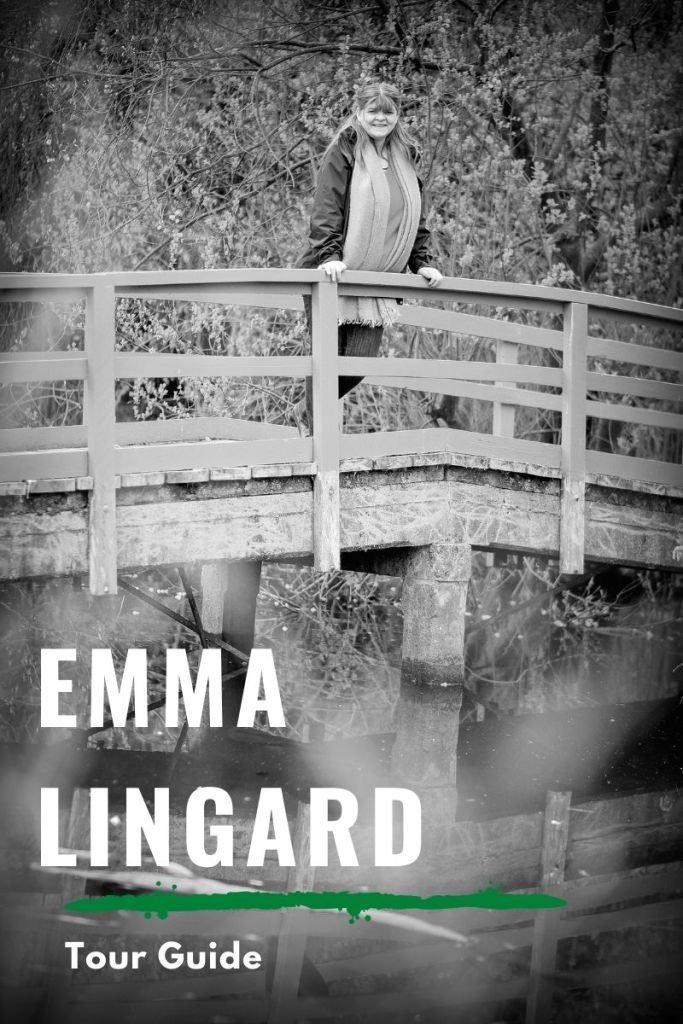
Emma Lingard, tour guide

Why come on a tour?

Grimsby and North East Lincolnshire has a rich and interesting history. From those early settlers who came upon a marsh landscape to the builders of the port, there are stories to tell of the area’s rich history.

The guided tours have been running for many years and were borne out of my love for history and wanting to share those stories with people.

It’s not just visitors who come on my walks, but many locals come to share their memories, or learn more about the area.

If you want to learn more about the buildings, the people and the history behind the streets names; if you love history and want to keep memories alive, then these walks are for.

Choose from a variety of walks.

Check the Tours page for dates of public walks or if you want to hire me for a private group/organisation then get in touch by heading to the Contact page.

The L Files

Introducing a new podcast! The L Files presented by local historian and author, Emma Lingard, accompanied by history academic, Carla Linford. New episodes out each fortnight. Starting Wednesday 4th June – listen to the trailer here Emma and Carla join forces to discuss and debate a variety of topics on local history from across Lincolnshire…

Havelok the Dane

Ancient legend In Charles Whistler’s book, Havelok the Dane, Grim was a merchant who had been trading with England. He frequently visited Saltfleet, which was a prosperous port, and Tetney. He lived on the west coast of Denmark where the king was Gunnar Kirkeban. Grim’s Jarl was a man called Sigurd, who was a counsellor…

Henry Marrows

My interest in the man who built Cleethorpes Town Hall began when I moved to Healing and bought a house he had built. It set me searching for more about him. Then several years ago five of his descendants came from across the country to pay a visit as part of the Lincolnshire Wolds Walking…

Grimsby Streets

Grimsby steeped in Scandinavian history. Our language is filled with words that our Danish forebears would recognise. Take the suffix -gate on streets DeansGATE, WellowGATE, BrighowGATE, CarterGATE and the lost streets of FlotterGATE, and BaxterGATE. The suffix -Gate comes from the Scandinavian GATA and can also be traced to Anglo Saxon GEATA. It means a…

Something went wrong. Please refresh the page and/or try again.

Get new content delivered directly to your inbox.